
Betting sites that take debit cards in 2026 — and what each one really costs
 Available in US
Data current as of 27 October 2026, verified against the Gambling Commission’s public register and the operators’ own UK terms pages.
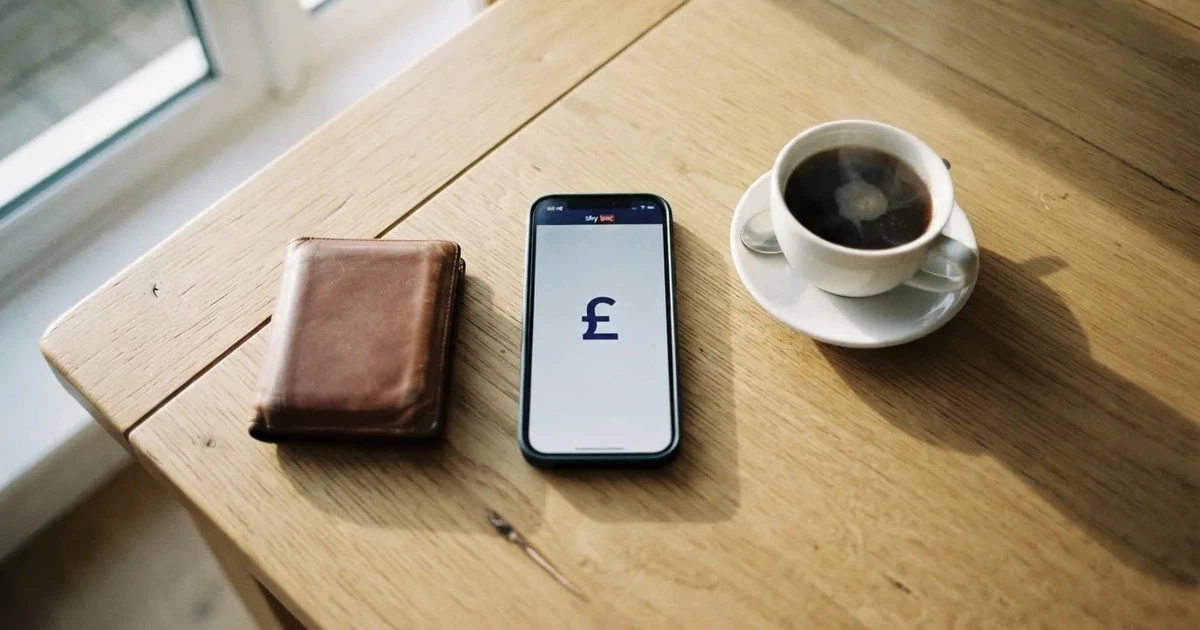
A debit card bet in Great Britain is not a credit-card bet in another country. Since 14 April 2020 the Gambling Commission has barred credit cards for any gambling transaction, including credit-funded e-wallet top-ups, so the question “can I use a card at all?” has only one honest answer: a debit card, drawn directly from your current account, or nothing card-shaped at all. What that means in practice is the subject of this page — which of the ten licensed operators below take a debit card, what each one charges or pays back for it, where the limits bite, and what the Gambling Commission licence actually delivers for the punter who takes the trouble to check.
The angle throughout is cost. A welcome offer that pays £40 in free bets does not pay £40 in the bank, because the free-bet stake is usually not returned; a deposit that lands in seconds and a withdrawal that takes five days are not the same product; a “best odds guaranteed” headline that applies only to UK and Irish racing is not best odds on the Premier League accumulator you actually placed. Each operator below is judged on what its terms cost the punter who reads them, not on what its landing page promises.
The legal frame: who may take your debit card
Great Britain online betting has one regulator — the Gambling Commission — and one statute — the Gambling Act 2005, as amended by the Gambling (Licensing and Advertising) Act 2014. Since the 2014 Act a remote bookmaker whose services are used in Great Britain needs a Commission licence wherever the company itself is based: a Curaçao, Maltese or Gibraltar registration is not a substitute, and there is no state monopoly to keep the licence count down. Northern Ireland runs an older, separate law and is outside the 2005 Act, so the proper term is “GB-licensed” or “licensed in Great Britain”, never a UK-wide claim that overreaches.
The Commission publishes a public register that can be searched by business name, trading name, domain or account number, and it is the whole test of whether a brand is licensed. A licence covers a category — remote general betting standard (real events) for a fixed-odds bookmaker, remote betting intermediary for an exchange, remote pool betting for horse and dog pools — and the register lists the holder and the trading site against each account number. Because the licensed operators may use either a .com or a .co.uk, the domain itself proves nothing; the register does. Every online licence-holder must be a member of GAMSTOP, the national multi-operator self-exclusion scheme, and periods of six months, one year, five years, or five years with auto-renewal are the choices; after the minimum term the exclusion stays in force for a further seven years unless the customer asks GAMSTOP to lift it.
Minimum age is 18, and identity — name, date of birth and address — is verified before the first deposit or bet, free bets and bonuses included. The verification has been in force since 7 May 2019. No anonymous play at a licensed site; no way around it by topping up an e-wallet from an unverified bank account either, because the operator’s anti-money-laundering duty catches the chain. Beyond the entry check, a financial vulnerability check applies once a customer’s net deposits cross £150 in any rolling 30-day window (in force since 28 February 2025) — a public-record check for things such as bankruptcy or county-court judgements, not a credit-reference or income check. A wider set of “financial risk assessments” was announced by the Commission in July 2026, staged and with no start date, and that is exactly how it should be written.
The player pays no tax on betting winnings in Great Britain. General Betting Duty is the operator’s tax on gross profits — 15% today, with a new 25% remote rate applying from 1 April 2027 within it — and whether operators reduce odds to absorb it is not established. Never print “you pay duty”. The Commission’s own levy is a separate charge, not a tax on the punter.
What an unlicensed site costs the punter is a list of things the licensed site provides by default: no GAMSTOP coverage, no Commission complaints route, no approved dispute-resolution service, no recourse if funds are withheld, no protection from the 10x bonus cap or the £150 vulnerability check. Section 33 of the Gambling Act makes providing unlicensed gambling facilities in Great Britain an offence, aimed at the operator, with up to 51 weeks’ imprisonment or a level-5 fine on summary conviction; no offence aimed at the customer was found, so the framing is loss of protection, not criminal liability for the punter. The Commission’s enforcement is disruption — cease-and-desist notices, work with search engines, registrars and payment providers, and soon court-order DNS blocking powers — not blanket ISP blocking, and that is the honest description.
Safer gambling: what a Commission licence actually buys
A licence is not a guarantee of safety; it is a set of obligations. The safer-gambling tools a punter can actually use, at every licensed bookmaker on this page, are deposit limits (the customer’s choice of a ceiling over a fixed period, with the Commission’s Remote Technical Standards 12 requiring operators to offer one), time-outs, product restrictions and self-exclusion. GAMSTOP handles the multi-operator exclusion for online sites and apps; the betting shops run their own separate service. The five named help services a British punter can reach are GamCare (the National Gambling Helpline), GambleAware, NHS gambling clinics, Gamblers Anonymous and Gambling Therapy, and licensed operators link them.

The financial vulnerability check at £150 in 30 days (LCCP 3.4.4, in force 28 February 2025) is a check on public-record distress signals, not an affordability test in the press sense. A wider set of financial risk assessments was announced in July 2026 in a staged plan with no start date: “announced, staged, no start date” is the only honest line. There is no statutory deposit ceiling or loss ceiling; what the customer sets is the limit. The current promotion rules, in force since 19 January 2026, cap wagering requirements on bonuses at 10x — a £10 bonus at 50x would need £500 of qualifying bets, and under the cap no more than £100 — and ban mixed-product promotions such as “bet on football to get free spins”. Whether the 10x cap applies to free bets without a wagering condition, and any cap on the money value of a bonus, are not established.
What the punter does with this is read the safer-gambling section of the operator’s own site before depositing, set a deposit limit at sign-up rather than after a bad week, and remember that the help lines listed at the bottom of the operator’s page are not there for decoration.
The cashier: debit cards, fees, and how fast the money actually moves
A debit card draws directly from the cardholder’s current account at the point of sale, which is the line that separates it from a credit card and the line the Commission uses to enforce the 2020 ban. The five dominant global card networks are UnionPay, American Express, Discover, Mastercard and Visa; in Great Britain the relevant brands are Visa Debit, Mastercard Debit and the legacy Switch/Solo scheme that has been folded into Maestro for international compatibility. American Express is its own network and is taken at some operators; UnionPay is rarely accepted by UK bookmakers; Discover has no UK debit-card presence of practical use to a punter.
What debit cards do not carry is the credit-card ban’s exemption, but what they do carry is everything else. Visa Debit and Mastercard Debit are accepted by every bookmaker on this page; whether American Express is taken varies; whether Revolut cards are taken depends on whether the operator treats Revolut as a card or as an e-wallet. Open Banking transfers — the “Pay by Bank” or “instant bank transfer” buttons at the cashier — sit beside the debit card as a parallel rail, and Revolut Pay, Apple Pay and Google Pay sit over the top of it. QuinnBet, for example, accepts debit cards, Apple Pay and OpenBanking, plus Revolut cards, and refuses Skrill and Neteller deposits outright. LiveScore Bet accepts Visa debit and Mastercard debit, Apple Pay, PayPal, Pay by Bank and Revolut Pay. Midnite takes Visa, Mastercard, Apple Pay, Google Pay and Trustly. NetBet’s app handles Instant Payments to bank, Apple Pay, PayPal and debit card. bet365 funds by debit card, PayPal and Apple Pay. Betmaster takes Visa, Mastercard, Maestro and V PAY. The pattern is uniform: debit card and at least one bank-based or wallet rail, with the choice of wallet the only meaningful difference.
Minimum deposit is £10 across the board in the data on this page; minimum withdrawal is £10 at Smarkets, with the rest of the market close to that line. Maximums vary by rail: Smarkets caps UK debit-card deposits at £15,000 per transaction and Open Banking deposits at £10,000, with withdrawals processed within 6 hours up to £100,000. The 6-hour withdrawal is at the fast end of the licensed market; the slow end, where a debit-card withdrawal can take three to five working days to clear back to the issuing bank, is the historic complaint and the reason Open Banking exists. None of the operators on this page charges a fee on a debit-card deposit; a small number charge a fee on a withdrawal back to certain e-wallets, and that is operator-specific.
British banks now offer a partial answer to the gambling question their customers ask. Barclays, for example, lets customers block debit-card payments to gambling providers it can detect through the “Manage your cards” section of its app; the operator cannot detect every gambling transaction, so the customer remains responsible for what slips past. Monzo, founded 18 February 2015 and headquartered in London, moved from a restricted banking licence with prepaid cards to a full UK banking licence from the Prudential Regulation Authority and FCA in April 2017; Starling Bank, founded by Anne Boden in January 2014 and headquartered in London, received its full UK banking licence in July 2016 and reported total assets of £16.6 billion as of 2026. Both run card-level gambling controls that complement, rather than replace, the operator’s GAMSTOP coverage.
Identity verification runs before the first deposit. Source-of-funds questions at higher spend are routine under the anti-money-laundering rules, and the £150-in-30-days vulnerability check at the operator level sits beside them. None of this delays the debit-card deposit itself, which is normally instant; it delays the first withdrawal, because the operator wants to confirm the customer is who the card says they are before sending money back. The cost is time, not money, and it is the trade-off the licence buys the punter.
The shortlist: ten GB-licensed bookmakers, ranked on what their terms cost the punter
The ten operators below are the ones the Commission’s public register lists as holding a remote general betting standard (real events) licence — or, in Smarkets’ case, a remote betting intermediary licence — for Great Britain, and that take a debit card. The ranking is on cost, not on promotional headline. A brand with a smaller free-bet offer and a faster, fee-free withdrawal scores more highly than one with a larger headline and a 50x wagering requirement behind it. The table that follows lists each brand with its Gambling Commission licence number and licence holder, and what that operator’s own UK terms say on the debit-card question. The prose after the table judges each one on what those terms actually cost.
| Brand | Gambling Commission licence and holder | What the operator’s own UK terms say on debit cards |
|---|---|---|
| NetBet | 039170-R-319343-032 — Netbet Enterprises Limited | App supports Instant Payments to bank, Apple Pay, PayPal and debit card, with Face ID or Touch ID login |
| Bet Ahoy | 100094-R-341742-003 — Bet Ahoy Ltd | Debit-card welcome offer with 10% Acca Bonus up to £1,000, Sub-Cover on player substitutions, Best Odds Guaranteed on UK and Irish racing up to £100 and Double Result on UK and Irish racing |
| QuinnBet | 061011-R-335683-004 — QuinnBet (Gibraltar) Limited | Accepts debit cards, Apple Pay, OpenBanking and Revolut cards; does not accept Skrill or Neteller deposits |
| bet365 | 055148-R-331498-002 — Hillside (UK Sports) ENC | Accounts funded by debit card, PayPal and Apple Pay, with Face ID login on supported devices |
| Betway | 039372-R-319367-029 — Betway Limited | Welcome offer of £40 in free bet tokens (4 × £10) on settlement of a first bet of at least £10 at minimum odds of 2.0; 7-day expiry; debit-card deposits only |
| Betboro | 044181-R-324363-007 — Webmedia Development N.V. | Sports welcome of a 100% matched free bet up to £25 on the first wager, requiring a debit-card deposit of at least £10 and a first bet of £5 to £25 with at least three selections each at 3/5 (1.60) or higher |
| Unibet | 045322-R-324275-019 — Platinum Gaming Limited | Sports welcome “Get £40 in Free Bets when you bet £20”; deposit and sports bet of £20 or more at minimum odds of 2.0 (1/1); free bets expire in 7 days; new GB customers using a debit card or instant bank transfer |
| LiveScore Bet | 056859-R-332720-005 — LiveScore Betting and Gaming (Gibraltar) Limited | Accepts Visa debit, Mastercard debit, Apple Pay, PayPal, Pay by Bank and Revolut Pay |
| Smarkets | 039173-R-319366-011 — Smarkets (Malta) Limited | UK debit-card deposits instant from £10 to £15,000; Open Banking deposits instant from £10 to £10,000; withdrawals processed within 6 hours from £10 to £100,000 |
| Star Sports | 009177-R-104555-019 — Star Racing Limited | App available in the UK and Ireland; deposit limits, Play Break and self-exclusion in My Account |
The licence number is the test; the holder is the legal person the Commission regulates. Several brands can run under one licensee, so the holder is not a brand. None of these operators is “the only” licensed one: the register lists many more, and a place in a comparison is not a licence.
NetBet
NetBet takes debit cards alongside Instant Payments to bank, Apple Pay and PayPal, with Face ID or Touch ID login on its app. The Commission licence is account 039170, held by Netbet Enterprises Limited. The platform’s strength at the cashier is breadth: a punter who wants to switch between card and wallet without leaving the app can do so. There is no headline welcome offer on the data carried for this page, and a punter who weights the bonus above the cashier should look at the table above rather than at NetBet alone. What the platform costs the punter is the absence of a clearly signposted free-bet headline: the welcome, if any, is in the operator’s own promotions page and is not carried here, which is honest rather than damning. A customer who values a fast, multi-rail cashier over the size of the welcome offer gets the better deal at NetBet.
Bet Ahoy
Bet Ahoy’s proposition is the acca punter. The licence is account 100094, held by Bet Ahoy Ltd, and the product page lists a 10% Acca Bonus up to £1,000, Sub-Cover for player substitutions, Best Odds Guaranteed on UK and Irish horse and greyhound racing up to £100, and Double Result payout on UK and Irish racing. Each of those is a feature, and each costs the punter in its own way: an acca bonus pays out on top of the winnings but typically requires a minimum number of selections and minimum price per leg; Sub-Cover protects a settled acca when a player is substituted, which is the substitution rule the Premier League has used since 2020; Best Odds Guaranteed pays out at SP if the SP is higher than the price taken, but only on UK and Irish racing, not on the football acca the punter also placed. The cost of the headline is that the acca bonus, the substitution cover and the racing guarantee are three separate products, and the punter who reads only the landing page may think all three cover everything. They do not. The honest reading: Bet Ahoy is the book for an acca-heavy punter who wants substitution cover, and is not the book for a single-selection football punter who wants best odds on a Premier League match.
QuinnBet
QuinnBet accepts debit cards, Apple Pay and OpenBanking, plus Revolut cards, and refuses Skrill and Neteller deposits. The licence is account 061011, held by QuinnBet (Gibraltar) Limited. The deliberate exclusion of Skrill and Neteller is itself a signal: the operator does not want the punter to take a deposit bonus through an e-wallet route that some operators use to segment bonus eligibility. A punter who bets from a Revolut card gets the same cashier as a punter who bets from a high-street current account; a punter whose e-wallet is Skrill will need a different operator. The cost of QuinnBet’s choice is that one useful rail is closed, and the gain is that the cashier is straightforward about what it does.
bet365
bet365 funds accounts by debit card, PayPal and Apple Pay, with Face ID login on supported devices, and the Commission licence is account 055148, held by Hillside (UK Sports) ENC. The bet365 product is the largest in-play catalogue in the licensed market and a deep Premier League pre-match book, and the cashier reflects the rest of the platform: it works, it is fast, and it does not advertise itself. What the punter pays for that depth is not a fee on the deposit — there is none — but the familiar bet365 pattern of stake limits on sharper customers and price boosts that sit beside the standard book rather than inside it. The honest reading: the punter who wants the in-play depth and is content with the standard bet365 price gets the best product at the cashier in the market.
Betway
Betway’s welcome offer for new UK and Ireland customers is £40 in free bet tokens (4 × £10) credited on settlement of a first bet of at least £10 at minimum odds of 2.0, with a 7-day expiry and debit-card deposits only. The licence is account 039372, held by Betway Limited. The 4 × £10 shape means a free bet is a free bet whose stake is not returned, and the cost is straightforward: each token’s expected value is the token’s face value times (odds minus 1) divided by odds times the payout share of the market it lands in, which on a Premier League 1X2 at 95% payout share gives roughly £4.75 of expected value per £10 token at evens. Across four tokens at evens, the expected value is around £19 in punter profit, not the £40 the headline implies — and that is before the 7-day expiry, which means any unused token is worth exactly £0. The debit-card-only condition is the binding piece: a punter who would rather deposit by Skrill or Neteller is excluded from the headline. The cost of the headline is real, and the punter who calculates the expected value before claiming gets a truer picture than the punter who reads only the £40.
Betboro
Betboro’s sports welcome offer is a 100% matched free bet of up to £25 on the first qualifying wager, requiring a debit-card deposit of at least £10 and a first bet of £5 to £25 with at least three selections each at 3/5 (1.60) or higher. The licence is account 044181, held by Webmedia Development N.V. The three-leg requirement at 1.60 each gives a minimum combined price of about 2.99, which is below the 2.0 minimum price on most other operators’ qualifying bets — and that is the cost: a 1.60-per-leg accumulator is more likely to win than a 2.0-per-leg single, which makes the qualifying bet cheaper to land but the free-bet release harder to time. The £25 cap on the matched free bet is lower than Betway’s £40 and Unibet’s £40, and a punter who compares the headlines sees Betboro at the back of the queue. The honest reading is that Betboro is a smaller welcome and a more permissive qualifying bet, which suits a punter who wants to convert the bonus quickly and is not optimising on headline value.
Unibet
Unibet states it has operated since 1999 and its UK site is run by Platinum Gaming Limited, Gibraltar, under Commission account 045322. The sports welcome is “Get £40 in Free Bets when you bet £20”: a deposit and sports bet of £20 or more at minimum odds of 2.0 (1/1), with free bets expiring within 7 days of issue, for new GB customers using a debit card or instant bank transfer. The headline matches Betway’s £40 shape, but the qualifying condition is a deposit plus a bet of £20, not a first bet of £10 — so the punter doubles the qualifying stake to release the same headline. The safer-gambling suite includes deposit limits, a Player Profile test, product restrictions and self-exclusion, with live chat and links to BeGambleAware, GamCare, GAMSTOP, Gambling Therapy and the BGC. Unibet’s cost is the higher qualifying stake, and the gain is a deeper safer-gambling suite than most rivals on the page name in their product data.
LiveScore Bet
LiveScore Bet accepts Visa debit, Mastercard debit, Apple Pay, PayPal, Pay by Bank and Revolut Pay, and the licence is account 056859, held by LiveScore Betting and Gaming (Gibraltar) Limited. The cashier is the most explicitly multi-rail of the ten, with each rail named and each one usable on the same account. The punter’s cost is the LiveScore product itself: it is built for the in-play score-following punter rather than the pre-match specialist, and the markets skew to what the score feed surfaces in real time. The honest reading: a punter whose habit is to bet on what the LiveScore app shows them gets a strong cashier and a familiar product, and a punter who wants a deep pre-match book should look elsewhere.
Smarkets
Smarkets is the betting exchange on the page. The Commission licence is account 039173, held by Smarkets (Malta) Limited, and the licence category is remote betting intermediary rather than remote general betting standard — which is the right category for an exchange. UK debit-card deposits are instant from £10 to £15,000, and Open Banking deposits are instant from £10 to £10,000; withdrawals are processed within 6 hours from £10 to £100,000. The 6-hour withdrawal is at the fast end of the licensed market, and the £100,000 ceiling is generous. The punter’s cost is the exchange commission on net winnings — the platform’s own commission rate, applied to net profit rather than to stake — and the absence of traditional bookmaker features such as Best Odds Guaranteed, because an exchange prices its own book. The honest reading is that Smarkets is the right cashier for a punter who wants an exchange and a fast withdrawal, and is the wrong product for a punter who wants a fixed-odds book with acca insurance.
Star Sports
Star Sports runs under Commission account 009177, held by Star Racing Limited, and the app is available in the UK and Ireland. The product data carried for this page is the safer-gambling suite — deposit limits, a Play Break facility and self-exclusion in My Account — rather than the cashier terms, which is reported by the public listing as listings-only rather than confirmed by the operator’s own terms on the data carried for this page. The honest reading: Star Sports is licensed and presents standard safer-gambling tools, and the punter who wants a confirmed debit-card term from the operator’s own page should check that page before depositing. That caveat does not extend to the licence itself, which is on the public register.
How a debit-card bet returns its money
The arithmetic of a single bet is fixed by the odds. For a £10 stake at decimal odds of 3.00, the return — stake plus winnings — is £30, the profit is £20, and the operator keeps a margin built into the price. For an accumulator with three legs at 2.00, 3.00 and 4.00, the combined price is 24.00, the return on a £10 stake is £240, the profit is £230, and the same margin sits inside each leg. An each-way bet is two bets of equal stake on the same selection — one on the win, one on a place — so a £10 each-way at 5/1 with a quarter the odds for a place is £20 of stake, returns the win and the place portions separately, and the place portion pays at 5/4 (6/4 ÷ 4) of the win odds rather than at the headline. Each-way doubles the stake and halves the win-only profitability.
The market margin is what the operator keeps of every unit bet on a market. Across the three outcomes of a Premier League 1X2, the payout share is 1 divided by the sum of 1 over each price — for example, at 2.10 / 3.40 / 3.60 the sum is 0.476 + 0.294 + 0.278, giving a payout share of about 95.4% and a margin of about 4.6%. The £10 stake on the home win at 2.10 returns £21 if it wins, the operator keeps 4.6% of every unit staked across the three outcomes, and the punter’s edge is zero — by definition, the margin is the operator’s edge. The punter who bets on a market with a 2% margin is paying half what the punter pays on a market with a 4% margin, and a market with a 7% margin is paying 50% more than the 4.6% baseline above. These are the numbers to look for when an operator claims “best odds”: the headline price and the margin of the market beside it.
The verdict: which operator, and for whom
The punter who wants the deepest in-play book and a fast, multi-rail cashier should pick bet365 and pay the platform’s standard prices, because the product depth is the gain the headline price does not capture. The punter who wants the fastest debit-card withdrawal in the licensed market should pick Smarkets, accept that an exchange is a different product from a fixed-odds book, and price the 6-hour withdrawal against a payout that may take days elsewhere. The punter whose acca is the bet and who wants substitution cover should pick Bet Ahoy and accept that the racing features do not extend to football. The punter who wants a £40 free-bet headline and reads the small print should pick Betway and Unibet on roughly equal terms — the Betway qualifying bet is £10 at minimum odds of 2.0 with four £10 tokens; the Unibet qualifying bet is £20 at minimum odds of 2.0 with the same £40 headline — and the choice between them comes down to whether the punter prefers a smaller qualifying stake or a deeper safer-gambling suite. The punter who wants the most permissive qualifying bet on this page should pick Betboro, with three selections at 1.60 each, and accept that the headline is £25 rather than £40. The punter whose priority is the widest cashier should pick LiveScore Bet, with six named rails. The punter who wants an Open Banking cashier with Revolut cards and does not want Skrill or Neteller should pick QuinnBet. The punter whose priority is a face-ID login across the cashier should pick NetBet. The punter who reads Star Sports’ safer-gambling page and finds what they want should pick Star Sports, with the caveat that the debit-card terms on the data carried for this page come from listings rather than the operator’s own page.
The ten operators above are the licensed ones. The unlicensed alternatives offer bonuses the licensed market does not, and they cost the punter the Commission complaints route, the GAMSTOP coverage, the 10x bonus cap and the £150 vulnerability check, and any British recourse if funds are withheld. That trade is the punter’s to make, and this page is the description of the licensed side of it.
Frequently asked questions
Can you bet with a debit card in Great Britain?
Yes — at every operator on this page. Since 14 April 2020 the Gambling Commission has banned credit cards for any gambling transaction, including credit-funded e-wallet top-ups, so the only card a punter can lawfully use at a licensed operator is a debit card drawn directly from a current account. Identity is verified before the first deposit, the deposit itself is normally instant, and the withdrawal returns to the same card or to a named account the operator has verified.
Which payment methods do GB-licensed bookmakers accept, and are credit cards allowed?
Debit cards (Visa Debit, Mastercard Debit, sometimes Maestro and V PAY), bank-based transfers via Open Banking, Apple Pay and Google Pay where the underlying card is a debit card, and selected e-wallets (PayPal, Revolut Pay, Trustly) are the standard set. American Express is taken at some operators; UnionPay rarely. Skrill and Neteller deposits are refused at some licensed operators and accepted at others. Credit cards are not allowed for gambling in Great Britain, and neither are credit-funded e-wallet top-ups — that ban has been in force since 14 April 2020 under LCCP condition 6.1.2.
From what age can bets be placed in Great Britain, and when is identity verified?
Minimum age is 18, and identity — name, address and date of birth — is verified before the first deposit or first bet, free bets and bonuses included. The verification has been in force since 7 May 2019. A financial vulnerability check at the operator level applies once a customer’s net deposits cross £150 in any rolling 30-day window (in force since 28 February 2025) and is a public-record check rather than a credit-reference or income check.
How can it be checked that a bookmaker holds a Gambling Commission licence?
The Commission’s public register can be searched by business name, trading name, domain or account number, and the register’s entry — which lists the licence holder, the licence categories and the trading site — is the whole test of whether a brand is licensed. The domain itself proves nothing, because licensed operators use both .com and .co.uk. A brand named in this page carries the licence number in the table above, and that number is searchable on the register.
What does a punter lose by betting on a site without a Gambling Commission licence?
The list of protections the licensed site provides by default: no GAMSTOP coverage, no Commission complaints route, no approved dispute-resolution service, no British recourse if funds are withheld, no protection from the 10x bonus cap or the £150 vulnerability check, and no obligation on the operator to verify identity or offer safer-gambling tools. The Commission’s enforcement against unlicensed operators is disruption rather than blanket blocking, and the loss of protection is the punter’s rather than the operator’s to absorb.
How is the return on a bet worked out from the stake and the odds?
For decimal odds, return equals stake multiplied by odds, and profit equals stake multiplied by (odds minus 1). A £10 stake at 3.00 returns £30 and profits £20. For an accumulator, the odds of the legs multiply into one combined price, and the same formula applies to the combined odds. For an each-way bet, two equal-stake bets are placed — one on the win, one on a place — so the stake doubles and the place portion pays at a fraction of the win odds set by the operator.
Payments & apps – Footy Tips
Content created by the «Footy Tips» team
